


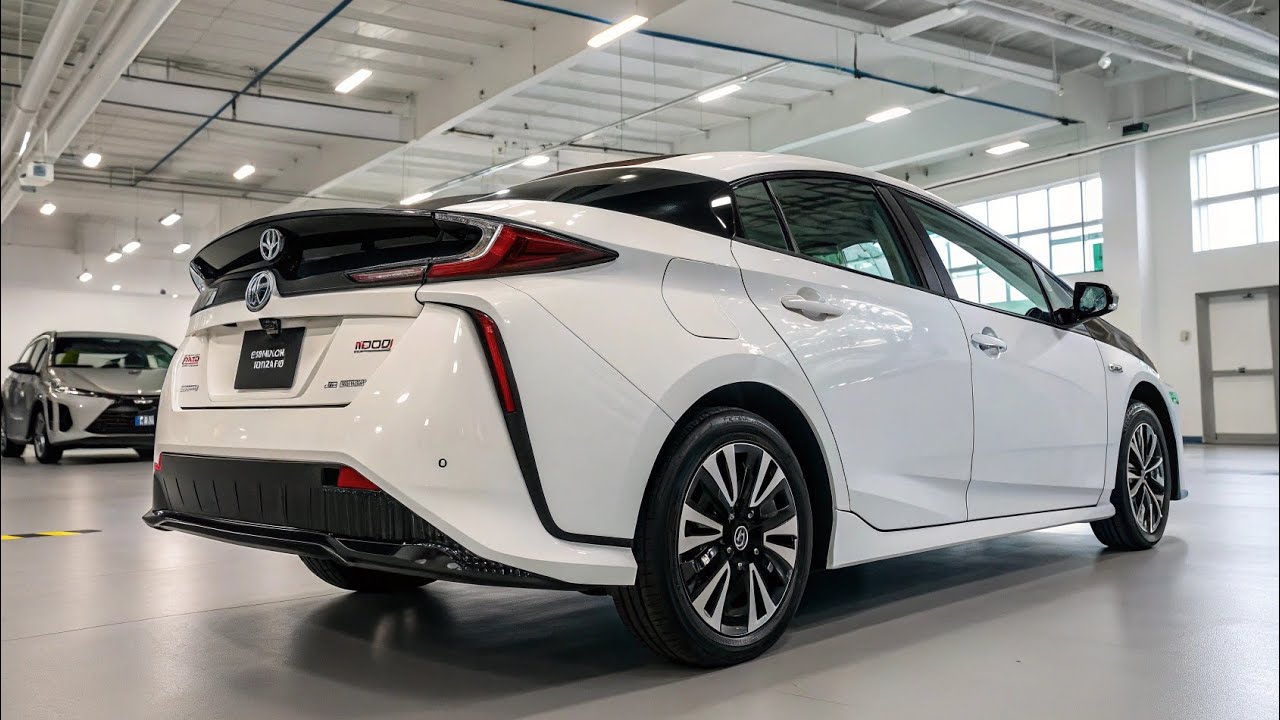
There was a time — not that long ago — when driving a Prius meant accepting a trade-off. You got great mileage. You gave up looking cool doing it.
That deal is dead.
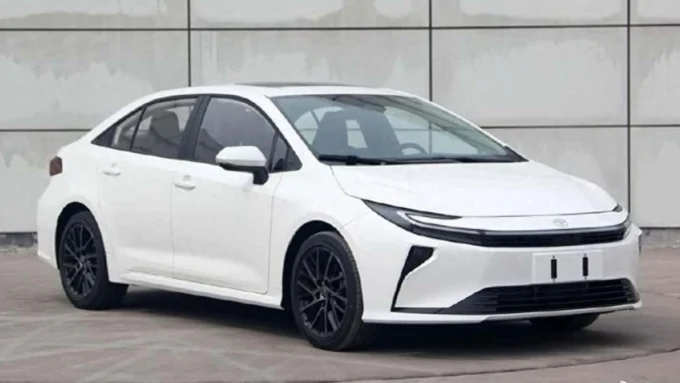
The current-generation Prius, now carried into the 2025 and 2026 model years, doesn’t just outrun its dorky reputation — it lapped it. Low, wide, wedge-shaped, and genuinely quick off the line, it’s the rare case of a car going from automotive punchline to design-award winner in a single generation. And underneath that new sheet metal sits a hybrid system doing something even more radical: making a plug-in Prius fast enough to embarrass a lot of gas-powered sedans.
I’ve spent the last several weeks digging through spec sheets, pricing data, and real-world ownership numbers on both the standard 2026 Prius Hybrid and the plug-in Prius Prime. Here’s what actually matters if you’re cross-shopping one against your monthly budget — not just your commute.
The Quick Take
- 2026 Prius Hybrid: starts at $29,745, up to 57 mpg combined, 194–196 horsepower, 0–60 in about 7.2 seconds
- 2026 Prius Prime (PHEV): starts at roughly $34,970, 220 horsepower combined, 44 miles of EPA-estimated electric-only range, 127 MPGe, 0–60 in about 6.6 seconds
- Federal tax credit: the $7,500 federal EV/PHEV purchase credit expired for vehicles acquired after September 30, 2025 — a detail a surprising number of dealer ads still gloss over
Let’s break down what that means for your driveway, your insurance bill, and your loan payment.
Standard Hybrid vs. Prius Prime PHEV: Side-by-Side
| Spec | 2026 Prius Hybrid (LE) | 2026 Prius Prime PHEV (SE) |
|---|---|---|
| Starting MSRP | $29,745 | ~$34,970 |
| Combined Horsepower | 194 hp (196 hp AWD) | ~220 hp |
| 0–60 mph | ~7.2 sec | ~6.6 sec |
| Fuel Economy | Up to 57 city / 56 hwy mpg | 127 MPGe (EV mode) / ~52 mpg (hybrid mode) |
| Electric-Only Range | None | ~44 miles |
| Charging | Not applicable | 120V (~11 hrs) / Level 2 240V (~2.5–4 hrs) |
| DC Fast Charging | N/A | Not supported |
| AWD Available | Yes (+$1,400) | No |
| Safety Suite | Toyota Safety Sense 3.0 (standard) | Toyota Safety Sense 3.0 (standard) |
The takeaway most reviews bury: the Prime is not simply a Prius with a bigger battery — it’s the quickest, most powerful Prius Toyota has ever sold, gas-only mode included.
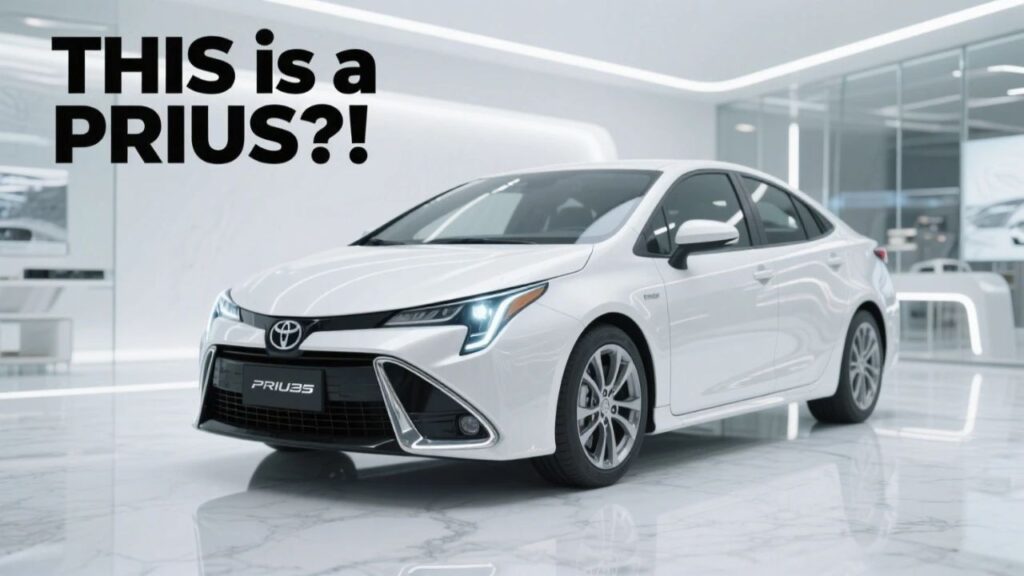
The Glow-Up, Explained
For two decades, the Prius was the automotive equivalent of sensible shoes — efficient, dependable, and about as exciting as a spreadsheet. Toyota’s current design language threw that playbook out. The roofline dropped. The proportions got wider and lower. The result reads more like a hidden-gem sports hatch than a hybrid built for maximum MPG.
That shift wasn’t cosmetic vanity. It’s part of a broader strategy: Toyota needed the Prius to compete on desirability, not just fuel economy, as hybrids stopped being a niche choice and started eating into mainstream sedan and crossover sales.
The 2026 Toyota Prius Prime is Toyota’s plug-in hybrid variant of the Prius, offering roughly 220 combined horsepower, 44 miles of EPA-estimated electric-only range, and 127 MPGe in EV mode, with pricing starting around $34,970.
Why the Prime Is the Halo Car
The Prius Prime PHEV takes that same body and adds a larger lithium-ion battery paired with a stronger electric motor. Combined output climbs to roughly 220 horsepower — genuinely quick for a car still capable of 52 mpg once the battery runs dry. For drivers with access to home or workplace charging, that 44-mile electric range covers the majority of average daily commutes without touching a drop of gasoline.
Toyota Prius Lease Deals and Financing: What Buyers Should Actually Compare
Before signing anything, run the math on lease versus purchase — the calculus has shifted meaningfully now that federal purchase incentives have changed (more on that below).
What to compare across dealership offers:
- Money factor / APR on financing offers — hybrid demand has kept Prius resale value strong, which can work against attractive lease terms since residuals are already priced in
- Manufacturer incentives specific to the Prime versus the standard Hybrid, which are often structured differently
- Regional dealer markups — Prius and Prius Prime inventory has run tight in many markets, and some dealers add market adjustment fees above MSRP
- New auto loan interest deduction — a separate federal provision now allows up to $10,000 per year in deductible auto loan interest on qualifying U.S.-assembled vehicle purchases through 2028, which can meaningfully offset financing costs for buyers who itemize
A quick pre-approval through your bank or credit union before you walk into a dealership remains the single best leverage point in any Prius negotiation — it lets you compare the dealer’s financing offer against a real benchmark rather than negotiating monthly payment in isolation.
Plug-In EV Tax Credits and Rebates: The Part Dealer Ads Don’t Always Mention
Here’s the detail that trips up a lot of Prius Prime shoppers in 2026: the federal $7,500 new-vehicle clean energy credit expired for vehicles acquired after September 30, 2025, under the One Big Beautiful Bill Act. That applies to plug-in hybrids like the Prius Prime just as it applied to full EVs.
What that means in practice:
- If you’re buying a 2026 Prius Prime today, do not assume a federal purchase credit applies — verify directly with your tax advisor rather than trusting a dealership flyer
- Buyers who signed a binding contract and made a payment on or before September 30, 2025 may still be able to claim the credit when the vehicle is placed in service, even with a later delivery date
- State and utility-level incentives haven’t disappeared. States including California and Colorado continue to run their own EV/PHEV rebate programs independent of federal rules — availability and funding levels vary and should be checked directly
- The federal home EV charger installation credit (30% of cost) remains available for equipment placed in service through June 30, 2026 — relevant if you’re setting up Level 2 charging for a Prime
Bottom line: price the Prius Prime as if the incentive doesn’t exist, then treat any credit you actually qualify for as a bonus rather than a baseline assumption.
Hybrid Car Insurance Rates: What to Budget For
Insurance is one of the most underestimated costs in any hybrid or PHEV purchase decision, and it varies more by vehicle than most buyers expect.
Factors that move Prius and Prius Prime insurance premiums:
- Repair cost complexity. Hybrid and PHEV battery packs and electric motor components can be more expensive to repair or replace than a comparable gas-only powertrain, which insurers factor into comprehensive coverage pricing
- Safety suite standard equipment. Toyota Safety Sense 3.0 — standard on every 2026 Prius and Prius Prime trim — can qualify buyers for safety-feature discounts with many major insurers
- Theft and claims data. Hybrids historically post lower theft rates than performance trims of comparable gas vehicles, a factor that can modestly favor Prius premiums
- Trim and battery size. The Prime’s larger battery pack generally nudges comprehensive coverage costs slightly above the standard Hybrid’s
The practical move: get quotes on both the standard Hybrid and the Prime before you commit to a trim — the insurance delta between them is sometimes larger than the price gap most shoppers expect, and it compounds every year you own the car.
Long-Term Reliability and Maintenance Costs
Toyota’s hybrid system has one of the longest real-world reliability track records in the industry, and that reputation carries into the current generation.
What ownership data and Toyota’s coverage terms tell us:
- Warranty coverage: 3-year/36,000-mile basic warranty, 5-year/60,000-mile powertrain coverage — standard across the Prius lineup
- Hybrid battery coverage: Toyota’s hybrid battery warranty extends well beyond the basic powertrain warranty in most states, reflecting confidence in long-term battery durability
- Routine maintenance: Hybrid systems reduce wear on conventional brake components through regenerative braking, which can extend brake pad life meaningfully compared to a non-hybrid vehicle
- Prime-specific care: the Prius Prime does not support DC fast charging, so home or workplace Level 2 charging access is effectively required to get full value from the plug-in system — factor charger installation costs (and that 30% federal credit through June 2026) into your total cost of ownership
- Resale value: strong hybrid demand has historically kept Prius resale values above the compact-segment average, a factor worth weighing against any lease-versus-buy decision
Buyer’s Guide: Which Prius Is Actually Right for You
Choose the standard 2026 Prius Hybrid if:
- You don’t have reliable access to home or workplace charging
- Lower upfront price and simplicity matter more than outright power
- You want AWD (available on Hybrid trims; not offered on the Prime)
Choose the 2026 Prius Prime PHEV if:
- Your daily driving falls within or near that 44-mile electric range
- You can charge at home overnight or at work during the day
- You want the quickest, most powerful Prius Toyota builds
Next Steps
Before you finalize a decision, it’s worth running your own numbers rather than relying on a dealership’s version of the math:
- Check current local dealership inventory for the Prius and Prius Prime trims available near you — allocation has run tight in several markets this year
- Calculate your auto loan payment at a few different down-payment and term scenarios before you negotiate, so you’re comparing the dealer’s offer against your own benchmark
- Get insurance quotes on both trims before you commit — the premium gap between Hybrid and Prime can shift the total cost of ownership more than buyers expect
- Confirm your tax situation directly with a tax professional rather than assuming any federal or state incentive applies to your purchase
The Prius earned its reputation the slow way — one efficient, unglamorous mile at a time. What’s different now is that it no longer asks you to choose between that efficiency and a car you’re actually excited to drive.





Leave a comment