

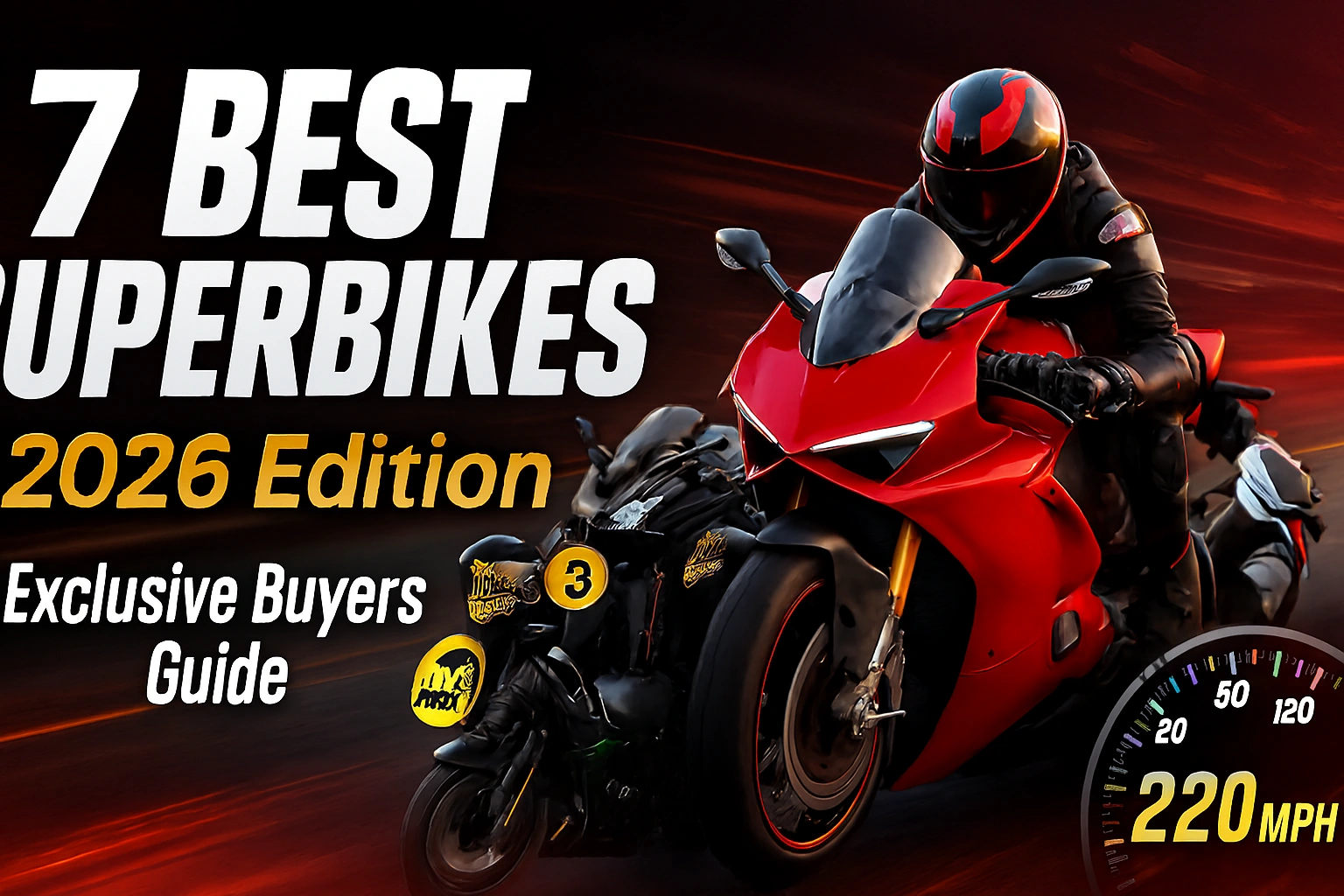

Discover the top 7 superbikes of 2026 with expert reviews, complete specs, and pricing. From Ducati to Kawasaki, find your perfect high-performance motorcycle with our comprehensive buyer’s guide.
The superbike world is entering an electrifying new era in 2026. After years of incremental improvements, manufacturers are pushing the boundaries with next-generation electronics, aerodynamic innovations borrowed straight from MotoGP, and power figures that would have seemed impossible just a decade ago. According to recent industry analysis from Cycle World, superbikes now feature groundbreaking aerodynamics and even more intelligent electronics that continue explosively into 2026.
Whether you’re a track-day warrior or a canyon-carving enthusiast, choosing the right superbike has never been more exciting—or more challenging. With options spanning from Italian exotica to Japanese precision machinery, the 2026 lineup offers something for every rider who craves maximum performance.
In this comprehensive guide, we’ll dissect the seven absolute best superbikes you can buy in 2026, analyzing their specifications, performance characteristics, and real-world capabilities to help you make the smartest investment in two-wheeled adrenaline.
Table of Contents
- Selection Criteria
- The 7 Best Superbikes
- Side-by-Side Comparison
- Buying Guide
- Frequently Asked Questions
How We Selected These Superbikes
Choosing the best superbikes isn’t just about raw horsepower figures or flashy graphics. Our selection process evaluates five critical dimensions that matter to real riders:
Performance Metrics: We prioritize bikes delivering exceptional power-to-weight ratios, with most selections offering 190+ horsepower and sub-450-pound wet weights. Acceleration from 0-60 mph under 3 seconds and top speeds exceeding 180 mph are baseline expectations for the 2026 superbike category.
Technology & Electronics: Modern superbikes must include comprehensive rider aid packages—cornering ABS, traction control with multiple levels, wheelie control, launch control, and IMU-based systems that understand lean angle and adjust in real-time. These safety features have become standard equipment on premium models.
Track-to-Street Versatility: While these machines dominate on the racetrack, the best superbikes also function as capable street bikes for spirited rides on public roads, offering manageable power delivery and reasonable ergonomics.
Price-to-Performance Value: We’ve balanced exotic performance with realistic pricing, selecting bikes that deliver maximum capability per dollar spent, whether you’re investing $17,000 or $50,000.
Reliability and Ownership Experience: Long-term dependability, parts availability, dealer networks, and real-world maintenance costs factor heavily into our recommendations. Japanese manufacturers typically lead in this category, though European brands have made significant improvements.
The 7 Best Superbikes to Buy in 2026
1. Ducati Panigale V4 S – The Italian Masterpiece
MSRP: $34,595 | Engine: 1,103cc V4 | Power: 209 HP | Weight: 187 kg (dry)
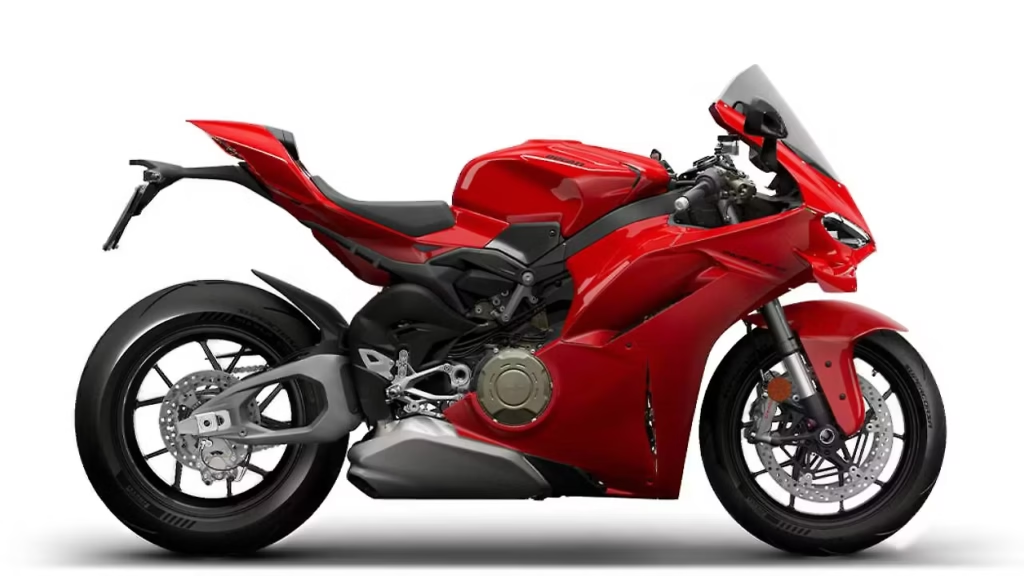
Few bikes embody the passion and performance of Italian engineering quite like the 2025 Ducati Panigale V4S, and the 2026 model elevates this excellence even further. According to Ducati’s official specifications, the new Panigale V4 is powered by the latest generation Desmosedici Stradale engine that evolves to achieve 209 hp of maximum power while dropping 2.2 lbs in weight.
What Makes It Special
The seventh-generation Panigale represents a synthesis of MotoGP-derived technology and street-legal performance. The motorcycle comes closest to MotoGP racing machines, inheriting technical solutions developed by Ducati’s multi-world title winning team. Every aspect—from the aerodynamics to the electronics—has been refined through actual racing experience at the highest levels of competition.
Technical Highlights
The Desmosedici Stradale engine produces 209 HP at 12,750 RPM with 91.7 lb-ft of torque. But raw numbers tell only part of the story. The main changes regard the contact points between motorcycle and rider, with tank, footpegs and seat fit area completely revised to heighten control in important phases of track riding.
The new Panigale V4 is equipped with Ducati Vehicle Observer (DVO), the most advanced electronics package on a superbike yet. This predictive system uses sophisticated algorithms to anticipate rider inputs and adjust parameters before you even realize you need intervention—it’s essentially black magic made digital.
Pros:
- MotoGP-level electronics with DVO system
- Stunning Italian design and build quality
- Lightweight at 187kg dry weight
- Sublime handling with revised chassis geometry
- Comprehensive Ducati Performance accessory catalog
Cons:
- Premium pricing may stretch budgets
- Aggressive ergonomics demand commitment
- Service intervals require attention
- Heat management can be challenging in traffic conditions
Perfect For: Experienced riders seeking the absolute pinnacle of superbike technology who want a machine that performs equally brilliantly on track days and spirited weekend rides.
2. Kawasaki Ninja ZX-10R – The Track Weapon
MSRP: $17,799 | Engine: 998cc Inline-4 | Power: 203 HP | Weight: 207 kg (wet)
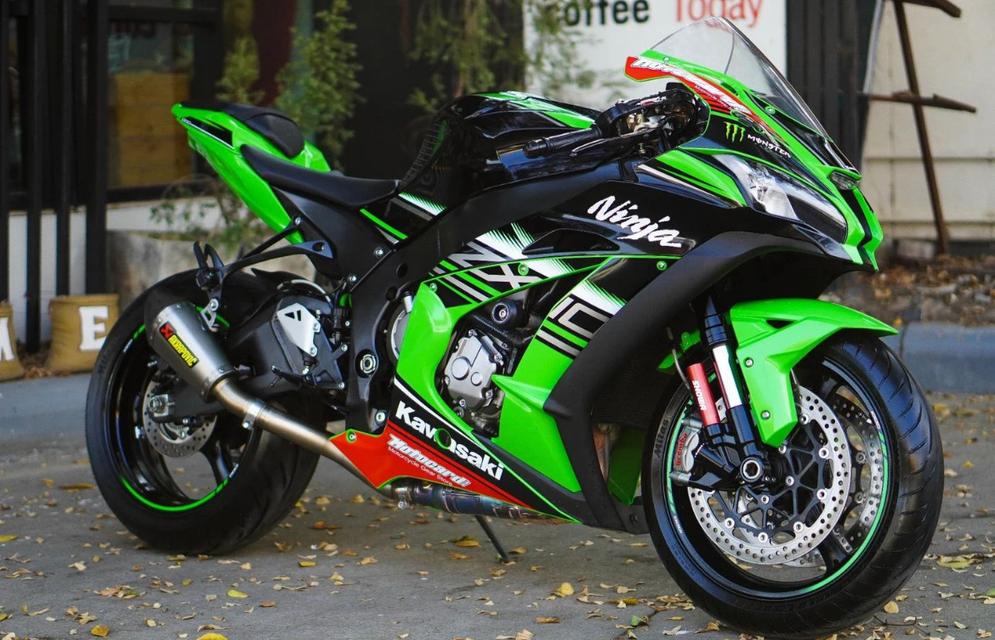
The 2026 Kawasaki Ninja ZX-10R received a refresh this year adding features expected on a modern model in this rarified genre. As a perennial WorldSBK championship contender, the ZX-10R brings seven world titles worth of race-winning DNA directly to your garage.
What Makes It Special
The winglets make their presence known like never before on a Ninja, with broad winglets that increase downforce by 25 percent while only increasing drag by 0.3 percent compared to last year. This aerodynamic advancement translates directly into faster lap times and more confidence at triple-digit speeds, as confirmed by testing data from Motorcycle News.
Technical Highlights
The 2026 Kawasaki ZX 10R retains its bold look with slim LED headlights and built-in functional winglets that create actual downforce to boost stability when cruising at high speed. The engine delivers impressive power from a 998cc displacement with 13.0:1 compression ratio, paired with Kawasaki’s sophisticated electronics suite.
With additional downforce, the chassis has been modified with the swingarm pivot 2mm higher and the Showa BFF fork legs sitting 2mm lower in the triple clamp, along with new linkage for the Showa BFRC-Lite shock. These seemingly minor changes deliver major improvements in rear-wheel traction and corner-exit drive.
Pros:
- Exceptional value at under $18,000
- Proven WorldSBK race-winning platform
- Comprehensive electronics with multiple ride modes
- Aggressive styling with functional aerodynamics
- Strong dealer network and parts availability
Cons:
- Suspension may require upgrading for serious track use
- Ergonomics lean toward aggressive track positioning
- LCD dash instead of full-color TFT display
Perfect For: Riders who want genuine racing performance without the Italian price premium. Ideal for track days, fast group rides, and those who prioritize proven reliability.
3. BMW S1000RR – German Precision Meets Raw Power
MSRP: $19,755 | Engine: 999cc Inline-4 | Power: 207 HP | Weight: 197 kg (wet)
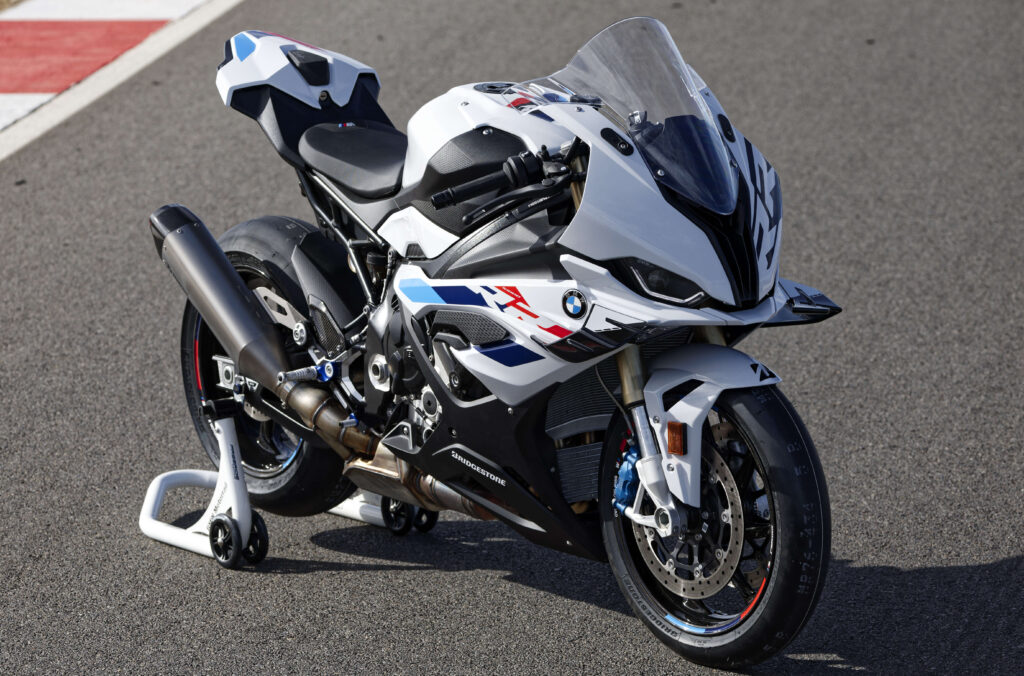
The 2025 BMW S1000RR further improves on the already updated 2024 model with larger wings and more riding modes as standard. BMW’s flagship superbike continues to represent the perfect fusion of track-focused performance and street usability.
What Makes It Special
Still delivering an eye-watering 207bhp from its Euro 5+ engine, the S1000RR continues to be a benchmark of German precision engineering. The downforce generated by the winglets has been increased by up to 37 percent—at 186 mph, that equates to a whopping 50 lbs of additional grip pressing the front tire into the pavement.
Technical Highlights
The 999cc inline-four produces 207 HP at 13,750 RPM with 113 Nm of torque at 11,000 RPM. The S1000RR features advanced electronics comprising traction control with slide control function, ABS with brake slide assist, four ride modes (Rain, Road, Dynamic, and Race), hill start control, bidirectional quick shifter, launch control, and pit lane limiter.
BMW’s ShiftCam variable valve timing technology delivers phenomenal midrange punch while maintaining stratospheric top-end power. The chassis features a bridge-type aluminum frame optimized for both stability and agility, making it one of the most versatile superbikes on the market.
Pros:
- Advanced ShiftCam technology for broad powerband
- Refined electronics with Pro riding modes standard
- Excellent build quality and reliability
- Comfortable ergonomics for a superbike
- Strong resale value
Cons:
- Slightly higher price point than Japanese rivals
- Electronics menus can be complex initially
- Maintenance costs higher than Japanese bikes
Perfect For: Riders who demand cutting-edge technology, appreciate German engineering excellence, and want a superbike sophisticated enough for daily riding yet capable enough for serious track work.
4. Aprilia RSV4 Factory 1100 – The Most Powerful Production Superbike
MSRP: $26,499 | Engine: 1,099cc V4 | Power: 220 HP | Weight: 445 lbs (wet)
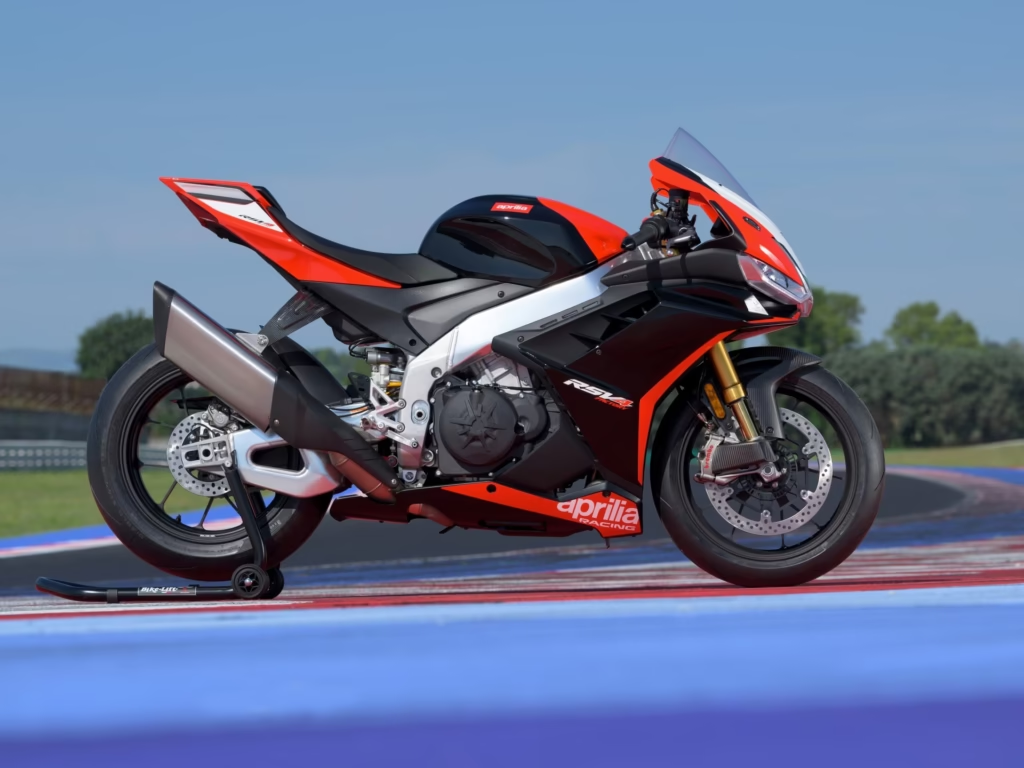
For 2025 the Aprilia RSV4 can claim the title of the most powerful production superbike in the world with a scorching output of 220hp. The Aprilia RSV4 Factory represents Italian passion combined with race-bred engineering excellence.
What Makes It Special
The 2026 Aprilia RSV4 Factory 1100 becomes the most powerful production bike available today with a handful of wise updates. The engine grows from 1077cc to 1099cc, guaranteeing a better torque curve with increased peak value of 125 Nm and confirmation of 217 hp with Euro5 homologation (220 hp in racing configuration).
Technical Highlights
The world’s most powerful street-legal engine with 220 hp comes with comprehensive a-PRC (Aprilia Performance Ride Control) electronics package and premium Öhlins Smart EC 2.0 suspension. New for 2026 are back-lit switchcubes and turn-by-turn semi-active suspension programming, a feature only the RSV4 Factory 1100 boasts in the superbike category.
The V4 engine configuration delivers unique character with linear power delivery. The RSV4’s chassis is renowned for its rock-steady feel, compliance, and sheer mechanical grip with increased swingarm angle playing with anti-squat properties to make it even sturdier.
Pros:
- Highest power output of any production superbike
- Öhlins Smart EC 2.0 semi-active suspension
- MotoGP-derived aerodynamics and technology
- Sublime chassis balance and handling
- Track-ready out of the crate
Cons:
- Higher price point in superbike segment
- Aggressive ergonomics require adaptation
- Limited dealer network in some regions
- Electronics complexity overwhelming initially
Perfect For: Hardcore enthusiasts and track junkies who want the absolute maximum performance available in a street-legal package and appreciate Italian engineering artistry.
5. Yamaha YZF-R1 – The Crossplane Screamer
MSRP: $19,199 | Engine: 998cc Crossplane Inline-4 | Power: 200 HP | Weight: 203 kg (wet)
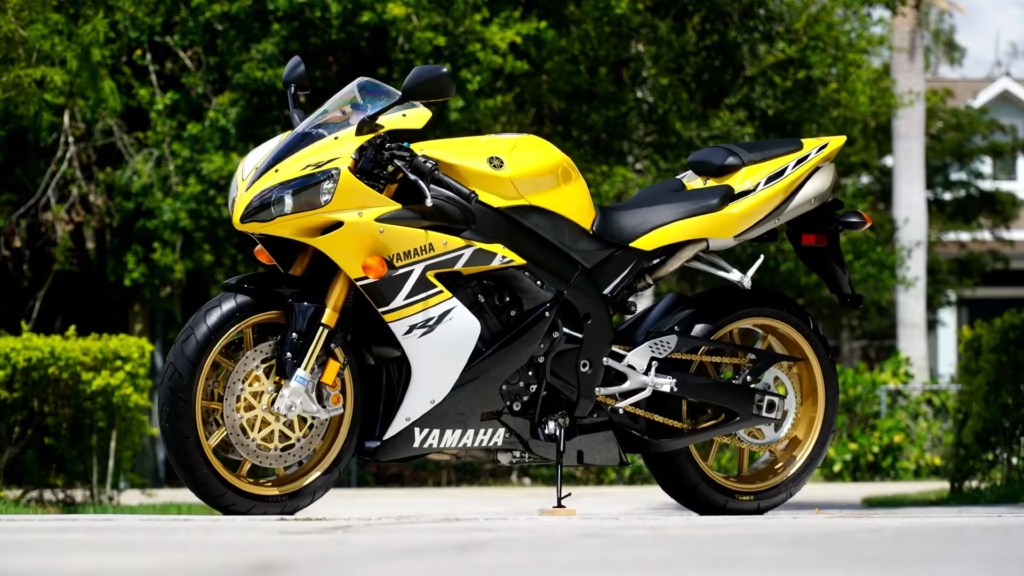
Stacked with cutting-edge technology gleaned directly from MotoGP and Superbike competition, the Yamaha YZF-R1 features a powerful 998cc crossplane CP4 engine, refined Deltabox frame, and MotoGP-inspired carbon fiber winglets. The R1 remains an icon in the superbike world.
What Makes It Special
The YZF-R1’s 998cc inline-four-cylinder engine features Yamaha’s exclusive crossplane crankshaft technology derived from the YZR-M1 MotoGP race bike. This unique engine configuration delivers a distinctive soundtrack and exceptional traction out of corners by mimicking V4 firing characteristics while maintaining inline-four compactness.
Technical Highlights
The crossplane CP4 engine produces 200 HP with a linear yet brutal power delivery. The YZF-R1 features cableless ride-by-wire Yamaha Chip Controlled Throttle (YCC-T) system transforming rider inputs into motion, with a full suite of IMU-powered electronic rider aids including six-axis IMU traction control and slide control.
Developed through extensive simulator and on-track testing, MotoGP-inspired carbon fiber winglets create additional downforce for exceptional chassis stability and added front-end feel when braking. Premium Brembo brakes and KYB suspension enhance track-focused capability straight from the showroom floor.
Pros:
- Unique crossplane engine character
- Proven race-winning platform
- Comprehensive electronics package
- Excellent build quality and reliability
- Strong aftermarket support
Cons:
- Power slightly lower than newest competitors
- No semi-active suspension option
- Ergonomics very track-focused
- Heat can be noticeable in traffic
Perfect For: Riders who appreciate Yamaha’s legendary reliability and want a superbike with distinctive character, MotoGP technology, and proven track performance at a competitive price point.
6. Honda CBR1000RR-R Fireblade SP – The MotoGP Connection
MSRP: $28,999 | Engine: 999cc Inline-4 | Power: 214 HP | Weight: 201 kg (wet)
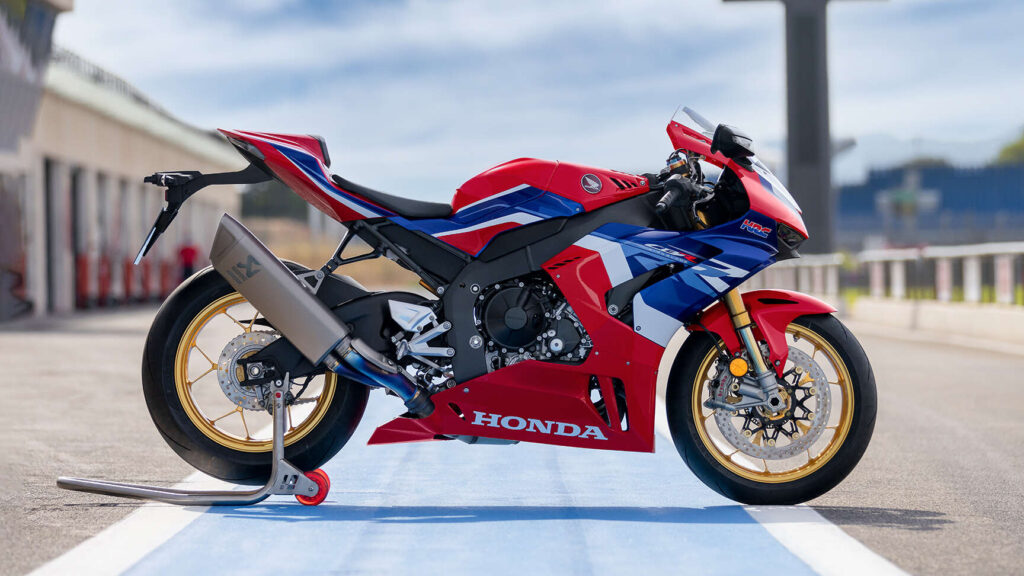
Born to race, the Honda CBR1000RR-R Fireblade features more mid-range power from intake and cylinder head upgrades with revised gearbox ratios for incredible drive out of corners. Honda’s flagship represents pure racing technology made street-legal.
What Makes It Special
The Fireblade SP’s bore and stroke (81mm x 48.5mm) are the same as Honda’s MotoGP Champion RC213V racebike, drawing on experience with cylinder filling and combustion gathered on the track. This direct lineage to Honda’s MotoGP program ensures cutting-edge performance technology transfers directly to street riders.
Technical Highlights
At the heart of the Fireblade SP is a 999.9cc inline-four delivering 160 kW (214.6 hp) at 14,000 rpm and 113 Nm (83.3 lb-ft) at 12,000 rpm. Two Motor Throttle By Wire control makes every rpm count and puts pinpoint throttle precision in your right hand with dual injectors per cylinder.
Speed is nothing without control which is why the Fireblade features electronically controlled third-generation NPX fork manufactured by Öhlins using a pressurized damping system. Brembo Stylema R calipers provide exceptional stopping power with incredible feel and modulation.
Pros:
- Direct MotoGP technology transfer
- Premium Öhlins electronic suspension
- Exceptional build quality
- Refined mid-range power delivery
- Track-day dominance potential
Cons:
- Highest price in this comparison
- Aggressive ergonomics demand fitness
- Complex electronics require learning
- Premium maintenance costs
Perfect For: Serious track riders and Honda loyalists who want the closest thing to a factory MotoGP bike for the street and don’t mind paying premium prices for ultimate performance.
7. Suzuki GSX-R1000R 40th Anniversary – The People’s Champion
MSRP: ~$18,750 | Engine: 999.8cc Inline-4 | Power: 193 HP | Weight: 203 kg (wet)
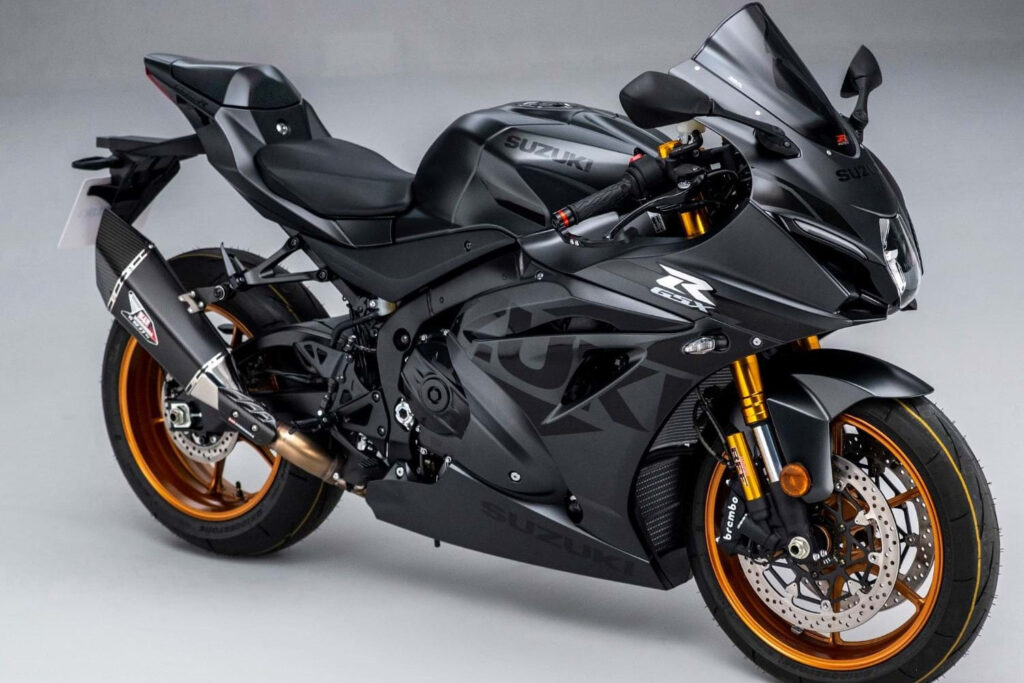
2025 marks the 40th anniversary of the GSX-R family and it has been close to a quarter of a century since the GSX-R1000 debuted, changing the sportbike class forever. The legendary Suzuki GSX-R1000R returns with meaningful updates and celebration liveries.
What Makes It Special
The 999.8cc screamer I4 features unique variable intake valve timing system to encourage broader power delivery and receives quite the overhaul including new crankshaft, camshafts, crankcases, refreshed pistons and connecting rods, plus revised exhaust system for improved performance throughout the rev range.
Technical Highlights
Updates to the 999.8cc I4 screamer engine produce a commendable 192.3 horsepower at 13,200 rpm with peak torque of 81.1 lb-ft at 11,000 rpm. Advanced electronic rider aids include traction control, launch control, and bi-directional quick shifter enhancing the riding experience without overwhelming less experienced superbike riders.
The chassis carries over with the same twin-spar aluminum frame and swingarm but Suzuki has sharpened the GSX-R1000R’s focus by fitting new dry carbon winglets developed during the 2024 Suzuka 8-Hour endurance race. Top-spec Showa Balance Free suspension and Brembo monoblocs deliver race-ready performance.
Pros:
- Legendary GSX-R heritage and reliability
- Excellent value pricing under $19,000
- 40th anniversary special edition liveries
- Proven race-winning platform
- Low ownership costs
Cons:
- Power output trails newest competitors
- LCD instrumentation instead of TFT display
- Slightly heavier than some rivals
- Electronics less sophisticated than latest bikes
Perfect For: Riders who appreciate Suzuki’s racing heritage, want proven reliability with excellent value, and don’t need the absolute latest technology to enjoy thrilling performance.
Side-by-Side Comparison: 2026 Superbikes
| Model | Price | Power | Weight | 0-60mph | Top Speed | Key Feature |
|---|---|---|---|---|---|---|
| Ducati Panigale V4 S | $34,595 | 209 HP | 187 kg | 2.8 sec | 199 mph | DVO Electronics |
| Kawasaki ZX-10R | $17,799 | 203 HP | 207 kg | 2.9 sec | 186 mph | Race-Proven Value |
| BMW S1000RR | $19,755 | 207 HP | 197 kg | 2.8 sec | 189 mph | ShiftCam Tech |
| Aprilia RSV4 Factory | $26,499 | 220 HP | 202 kg | 2.7 sec | 201 mph | Most Powerful |
| Yamaha YZF-R1 | $19,199 | 200 HP | 203 kg | 2.9 sec | 186 mph | Crossplane Engine |
| Honda Fireblade SP | $28,999 | 214 HP | 201 kg | 2.8 sec | 189 mph | MotoGP DNA |
| Suzuki GSX-R1000R | $18,750 | 193 HP | 203 kg | 3.0 sec | 186 mph | Best Value |
Performance Categories
Best for Track Days: Ducati Panigale V4 S – Most advanced electronics and chassis refinement
Best Value: Kawasaki Ninja ZX-10R – Race-winning performance under $18,000
Most Powerful: Aprilia RSV4 Factory 1100 – 220 HP dominance
Best Technology: BMW S1000RR – ShiftCam and comprehensive electronics
Most Character: Yamaha YZF-R1 – Unique crossplane engine
Premium Choice: Honda CBR1000RR-R Fireblade SP – MotoGP-derived excellence
Heritage Pick: Suzuki GSX-R1000R – 40 years of racing DNA
Complete 2026 Superbike Buying Guide
Choosing Your Perfect Superbike
Selecting a superbike involves more than comparing spec sheets. Consider these critical factors:
Experience Level: Superbikes demand respect. If you’re stepping up from a 600cc sportbike, consider starting with more forgiving models like the Yamaha R1 or Suzuki GSX-R1000R before jumping to the most extreme options. According to RevZilla’s safety experts, proper training and gradual progression are essential for superbike ownership.
Primary Use Case: Track-focused riders should prioritize bikes with the most sophisticated electronics and suspension (Ducati, Aprilia, Honda). Street riders may prefer bikes with better ergonomics and heat management (BMW, Yamaha). Understanding your primary riding environment helps narrow choices significantly.
Budget Reality: Purchase price is just the beginning. Factor in insurance (often $2,000-$4,000 annually), maintenance, tires (lasting 3,000-5,000 miles), track day costs, and depreciation. Calculate total cost of ownership over 3-5 years for realistic budgeting.
Physical Compatibility: Seat heights range from 830-855mm. Shorter riders should test ergonomics carefully. Most superbikes have aggressive forward-leaning positions requiring core strength and flexibility for comfortable riding over extended periods.
Financing Options
Most manufacturers offer competitive financing through their captive finance companies. Typical rates for well-qualified buyers range from 3.99% to 7.99% APR for 36-60 month terms. Credit unions often provide better rates for motorcycle loans, sometimes as low as 2.99% APR.
Consider putting down 10-20% to avoid being underwater on the loan. Monthly payments on a $20,000 bike at 5.99% for 48 months run approximately $470. Use online calculators to determine comfortable payment levels before shopping.
Insurance Considerations
Superbike insurance varies dramatically based on age, location, riding history, and coverage levels. Expect these approximate annual premiums:
- Age 25-35, clean record: $1,500-$2,500
- Age 35-45, experienced: $1,200-$2,000
- Age 45+, excellent record: $800-$1,500
Get quotes from multiple insurers specializing in motorcycles (Progressive, Dairyland, Foremost). Consider higher deductibles to lower premiums if you have emergency savings. Some insurers offer significant discounts for completing advanced rider training courses.
Essential Safety Gear
Budget an additional $2,000-$3,000 for proper safety equipment:
- Helmet: $400-$800 (Shoei, Arai, AGV top choices)
- Leather Suit: $800-$1,500 (Alpinestars, Dainese, Rev’It)
- Boots: $300-$500 (race-spec protection)
- Gloves: $150-$300 (with quality protection)
- Back Protector: $100-$200
Never compromise on safety equipment. Quality gear makes the difference between walking away from a crash and serious injury. Modern protective equipment has advanced dramatically with CE-rated armor and abrasion-resistant materials.
First-Time Superbike Buyer Tips
1. Take Advanced Training: Enroll in track day schools or advanced street riding courses before pushing limits. Organizations like California Superbike School, Yamaha Champions Riding School, and Kevin Schwantz School offer excellent programs that dramatically improve skills and safety.
2. Start with Used: Consider a 2-3 year old model to minimize depreciation hit while you develop skills. You’ll likely want to upgrade after a season anyway as your capabilities and preferences evolve. Used superbikes often come with valuable aftermarket parts already installed.
3. Join Communities: Connect with local riding groups, track day organizations, and online forums. Experienced riders provide invaluable knowledge about setup, maintenance, and riding techniques. Forums like SportBikes.net and model-specific groups offer tremendous resources.
4. Plan for Track Days: These bikes are meant for the track. Budget $200-400 per track day plus tire wear. Many riders do 3-6 track days per season. Track riding develops skills impossible to learn on the street while providing safe environment for speed.
5. Understand Maintenance: Superbikes require more frequent service than standard motorcycles. Oil changes every 3,000-4,000 miles, valve checks every 15,000-24,000 miles depending on model. Build relationships with quality mechanics or learn DIY maintenance to reduce costs.
Frequently Asked Questions
What is the fastest superbike in 2026?
The Aprilia RSV4 Factory 1100 claims the title of most powerful production superbike with 220 HP, translating to a top speed exceeding 200 mph. However, the Ducati Panigale V4 S and BMW S1000RR also achieve nearly 200 mph with their advanced aerodynamics helping stability at extreme velocities. Real-world fastest depends more on rider skill and conditions than raw specifications.
Are superbikes good for beginners?
Absolutely not. Superbikes produce 190-220 horsepower, weigh under 450 pounds, and accelerate faster than most supercars. They demand advanced riding skills, excellent throttle control, and mature judgment. Beginners should start with 300-650cc motorcycles, develop foundational skills over 1-2 years, then consider moving to 600cc supersport bikes before attempting liter-class superbikes.
How much does a superbike cost in 2026?
Entry-level superbikes like the Kawasaki Ninja ZX-10R and Suzuki GSX-R1000R start around $17,800-$18,750. Mid-range options including BMW S1000RR and Yamaha YZF-R1 fall between $19,000-$20,000. Premium choices like Aprilia RSV4 Factory and Honda CBR1000RR-R Fireblade SP range from $26,500-$29,000. The ultimate Ducati Panigale V4 S commands $34,595, while limited editions and special models can exceed $50,000-$100,000.
What’s the difference between a superbike and a sportbike?
Superbikes represent the pinnacle of street-legal performance motorcycles with engine displacements of 950cc-1,200cc producing 190-220+ horsepower. They feature race-derived technology, advanced electronics, and track-focused design. Sportbikes encompass a broader category including 300cc-750cc models prioritizing handling and affordability over maximum power. Think of sportbikes as the entire performance category, with superbikes being the most extreme subset.
Which superbike is most reliable?
Japanese manufacturers (Yamaha, Kawasaki, Honda, Suzuki) traditionally offer superior long-term reliability with lower maintenance costs. The Yamaha YZF-R1 and Kawasaki Ninja ZX-10R earn highest marks for bulletproof dependability. European brands (Ducati, BMW, Aprilia) deliver cutting-edge performance but require more frequent service with higher parts costs. However, modern European superbikes have dramatically improved reliability compared to previous generations.
Can you daily ride a superbike?
Technically yes, practically challenging. Superbikes feature aggressive ergonomics causing wrist, back, and neck strain during extended riding. Fuel economy averages 28-35 mpg requiring frequent fill-ups. Heat output in traffic proves uncomfortable. However, some riders successfully daily superbikes by accepting compromises. The BMW S1000RR offers the most comfortable ergonomics for street use, while bikes like the Ducati demand track-focused commitment.
How fast do superbikes accelerate?
Modern superbikes achieve 0-60 mph in 2.7-3.0 seconds with experienced riders utilizing launch control. Quarter-mile times range from 9.5-10.2 seconds at 145-155 mph trap speeds. This acceleration rivals or exceeds million-dollar hypercars, demonstrating the incredible power-to-weight advantage of motorcycles. Real-world performance depends heavily on rider skill, traction conditions, and proper technique.
Conclusion: Finding Your Perfect 2026 Superbike
The 2026 superbike landscape offers extraordinary performance across every price point. Whether you’re drawn to Italian exotica like the Ducati Panigale V4 S with its MotoGP-derived DVO electronics, seeking maximum value in the race-proven Kawasaki Ninja ZX-10R, or wanting the sheer dominance of the 220 HP Aprilia RSV4 Factory, there’s never been a better time to own a flagship superbike.
Technology has reached unprecedented levels with predictive electronics, semi-active suspension, and cornering ABS that would have seemed like science fiction a decade ago. Yet manufacturers haven’t forgotten the visceral thrill that makes motorcycling special—these machines still deliver raw, unfiltered excitement.
The best superbike for you depends on your experience level, budget, intended use, and personal preferences. Track-focused riders should prioritize electronics sophistication and suspension quality. Street riders might value ergonomics and heat management. Value-conscious buyers can’t ignore the compelling performance-per-dollar of Japanese offerings.
Regardless of which machine you choose, remember that modern superbikes demand respect, proper training, and quality safety gear. These are serious performance tools capable of incredible speed and handling—use them responsibly and you’ll experience some of the most exhilarating moments two wheels can deliver.
The future of superbikes continues to evolve with each model year bringing refinements that make these machines faster, safer, and more capable. But the core mission remains unchanged: delivering maximum performance and pure riding excitement to those who dare to experience it.
Ready to take the next step? Visit your local dealerships, attend demo days, and connect with the riding community. Your perfect superbike awaits, and 2026 delivers options that would have seemed impossible just years ago. Ride safe, ride fast, and enjoy the journey.
Additional Resources:
- Cycle World – Comprehensive motorcycle reviews and testing (DA: 52)
- Motorcycle News (MCN) – Latest industry news and updates (DA: 68+)
- RevZilla – Motorcycle gear and safety equipment (DA: 70+)
This article contains general information and recommendations. Always consult with authorized dealers, conduct thorough test rides, and consider your personal circumstances before making purchasing decisions. Motorcycle riding involves inherent risks—proper training, licensing, insurance, and safety equipment are essential.
Share this guide with fellow motorcycle enthusiasts and bookmark for reference when making your 2026 superbike choice!




Leave a comment